Should You Always Counter a Real Estate Offer? Not Necessarily.
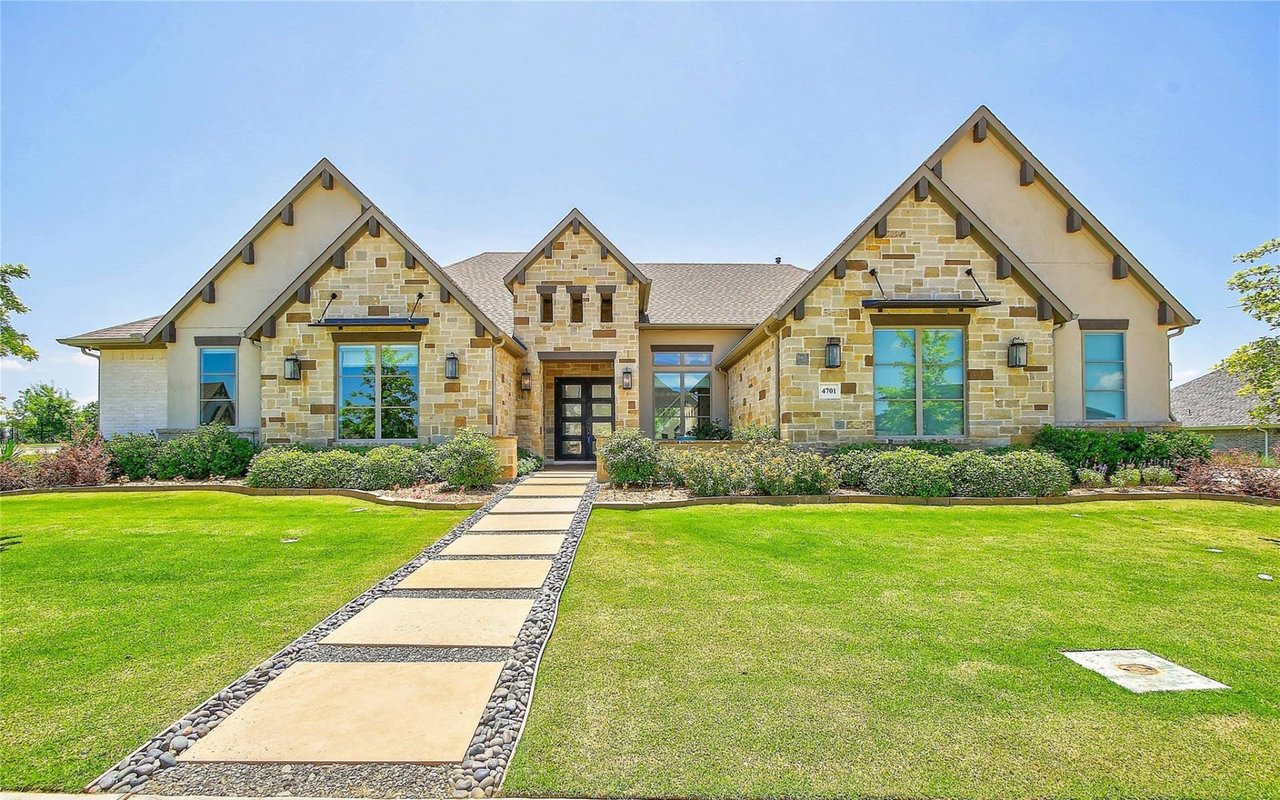
Why knowing when not to counter an offer can save a real estate deal
Negotiating every real estate offer is not necessarily necessary.
What?
Most people can’t believe it when I say that.
Buyers and sellers often feel like they have to negotiate to win. If they accept an offer without countering, somehow they left something on the table. If they give the other side what they asked for, they lost.
But sometimes the result of “winning” the negotiation is losing the house—or losing the buyer.
Before deciding whether to negotiate, there is a much more important question to ask:
What are you actually trying to accomplish?
If you're a seller, presumably you want to sell your house for the best reasonable price and terms the current market will support. If you're a buyer, you want to purchase the right house at a price and on terms that make sense.
Negotiation is simply a tool to get you there. It is not the goal itself.
Too many real estate negotiations fall back on the tired approach of “meeting in the middle” or “splitting the difference.”
Chris Voss, the former FBI hostage negotiator who wrote Never Split the Difference, famously challenges this concept. And for good reason.
Simply splitting a difference can leave both parties feeling as though they gave something up rather than accomplished something.
My goal in a successful real estate negotiation is different: Both sides should feel that the agreement moves them closer to what they ultimately want.
Consider this example.
Your home is listed for $310,000. Your Realtor advised you before listing that its realistic market value is closer to $290,000, but you decided to start higher.
You also know you're selling in a buyer's market. Interest rates have strained affordability, buyers have choices, and many buyers need seller assistance with closing costs.
Then an offer arrives:
$300,000 purchase price with $10,000 in seller-paid closing costs.
The gut reaction?
“They offered below asking AND want $10,000? Counter them!”
But look at the offer differently.
The approximate net before your other selling expenses is $290,000—the value your Realtor originally told you the market supported.
In other words, you may already have what I call a full-value offer.
A full-value offer isn't necessarily full asking price. It is an offer that delivers what the property is realistically worth under current market conditions.
Those are two very different things.
Do you?
The almost automatic response might be:
“We'll take $300,000, but we're not paying the closing costs.”
Or:
“We'll take $305,000 and pay $5,000 toward closing costs.”
We've split the difference!
Except now we may have created a problem where one didn't exist.
In a market with substantial inventory, buyers have options. And there are fewer qualified, motivated buyers than sellers would like.
I have watched buyers walk away over surprisingly small counters—even when I have encouraged my own buyers to think about the house rather than react emotionally to the negotiation.
Sometimes they simply move on.
Then something interesting happens.
Weeks or even months later, the listing agent contacts us. The seller is now willing to accept what my buyers originally offered.
Sometimes they'll take even less.
The problem?
Those buyers are gone.
They have either emotionally moved on or literally moved on because they purchased another home.
The seller “won” the negotiation—and lost the buyer.
There is another danger in unnecessary negotiation: The negotiation itself can become more important than the transaction.
A buyer starts thinking, “They're being unreasonable.”
A seller thinks, “They're trying to take advantage of me.”
Positions harden. Emotions rise. And suddenly everyone has forgotten why they're sitting at the table in the first place.
I once had buyers and sellers argue for three days over the curtains in the primary bathroom.
These were curtains that could have been replaced for less than $100.
Three days.
At some point, you have to ask:
Are we trying to buy and sell a house, or are we trying to win the curtains?
It sounds ridiculous—and it was—but this happens in real estate more often than you might think.
Of course there are times when you absolutely should counter an offer.
The price may truly be too low. The terms may expose you to unnecessary risk. The buyer may be asking for concessions that aren't justified by the market. Or the property's location, condition, price point and competition may give the seller considerable leverage.
That's where experience and hyperlocal market knowledge matter.
A buyer's market in one San Antonio neighborhood or price range doesn't mean it's a buyer's market everywhere. Conditions can change dramatically by neighborhood, price point and even property type.
Knowing where you actually have leverage is one of the most valuable things an experienced real estate agent brings to a negotiation.
But equally valuable is knowing when exercising that leverage isn't worth the risk.
Sometimes accepting an excellent offer takes more discipline than countering one.
You have to resist the instinct to compete simply because someone made the first move. You have to stop worrying about whether the other side got something too.
And you have to keep asking the question that matters most:
Does this offer accomplish what I came here to accomplish?
If the answer is yes, sometimes the smartest negotiation is knowing when to stop negotiating.
The myth behind splitting the difference.
Selling a home in San Antonio or New Braunfels in Fall 2026? The right Realtor should tell you what you need to hear—not simply what you want to hear.
Key: find an agent who will Listen ...

The answer is: San Antonio, Texas!

General versus special warranty deeds - Be protected!

Get the Facts before you buy or list a home!
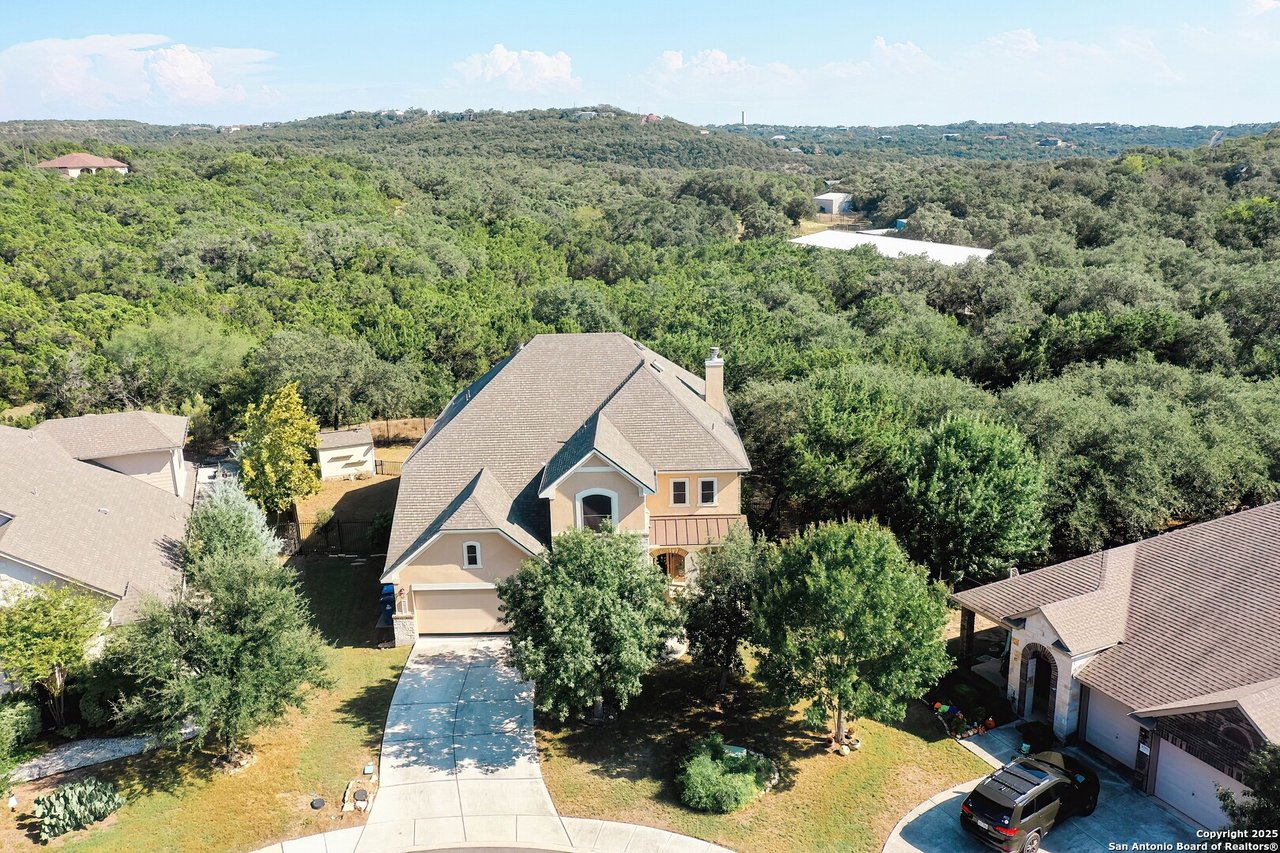
SAN ANTONIO AND NEW BRAUNFELS SELLERS ARE DOING IT AND YOU CAN TOO

What San Antonio home sellers should do before and after going under contract to reduce risk and close with confidence in today’s market.

Which suits you?
You’ve got questions and we can’t wait to answer them.