Beacon Hill Beginnings
-
Beacon Hill emerged during San Antonio’s first major expansion — between the late 1800s and the 1920s — as the city spread northward from its original core. The expansion was fueled by the arrival of streetcar (trolley) and rail lines that connected downtown with green spaces like San Pedro Springs Park.
-
The neighborhood (along with nearby subdivisions) was developed as one of the city’s earliest “modern” residential suburbs — replacing former farmland and ranch land in the hills above the central district with planned subdivisions, and lots intended for turn‑of‑the-century homes.
-
Early on, Beacon Hill was promoted heavily. When the “Beacon Hill Addition” was platted in 1908, marketing pitched it as “The Queen Suburb,” promising elevated lots, beautiful surroundings, and attractive suburban living for — what at that time — were middle‑class to affluent families.
-
Over the decades, the neighborhood saw ups and downs. Like many “first‑ring” suburbs in U.S. cities, after World War II and with the rise of the automobile and new highways, many residents moved further out; commercial patterns changed; and neighborhood business districts declined. Starting in the late 20th century and into the 2000s, Beacon Hill began a revitalization effort. In 1978, community members formed Beacon Hill Area Neighborhood Association (BHANA), a volunteer group working to preserve the character of the neighborhood and improve resident quality of life.
-
In 2005, Beacon Hill became the city’s first officially designated Neighborhood Conservation District (NCD), meaning there are special zoning and design guidelines aimed at preserving its historic architecture, lot sizes, and the overall “feel” of the area beyond standard city codes.
What Beacon Hill Looks and Feels Like Today — Lifestyle Snapshot
-
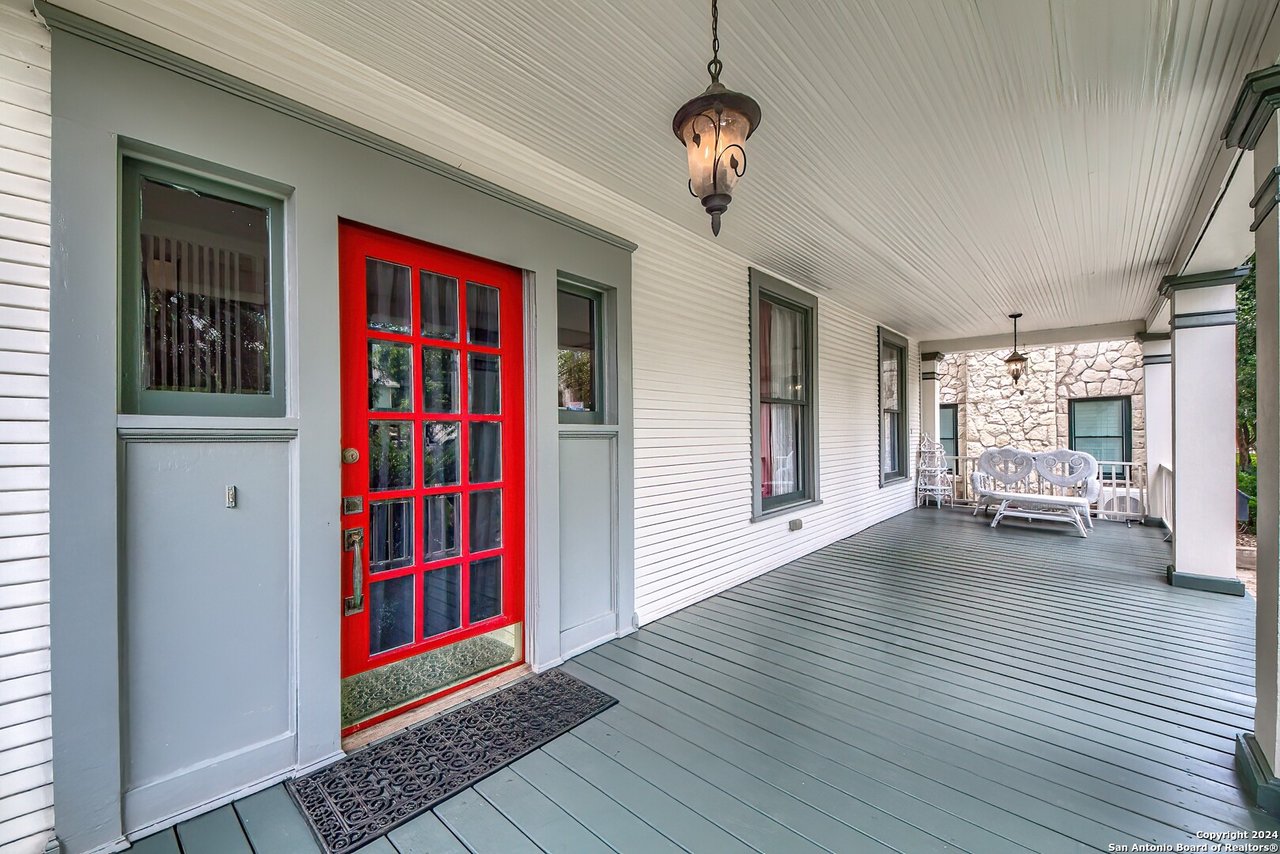
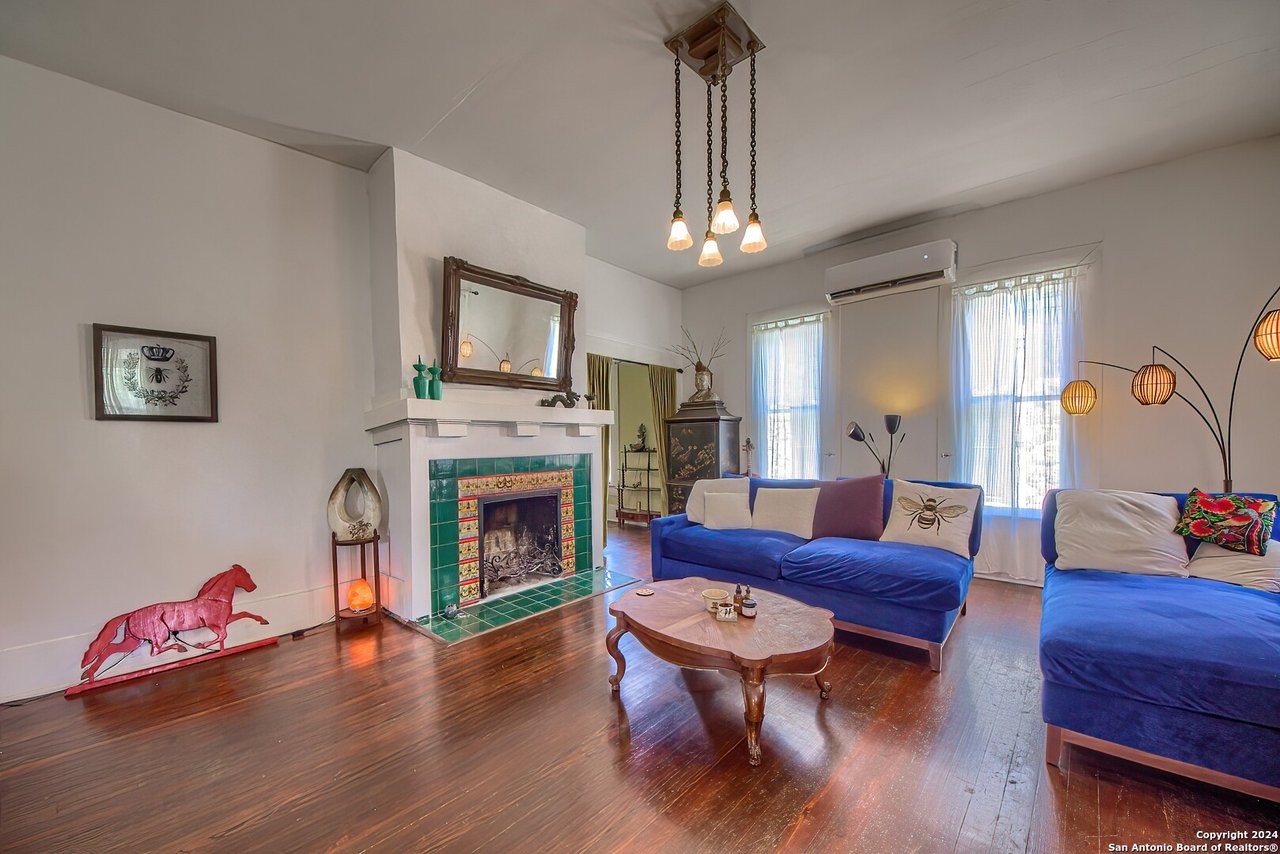
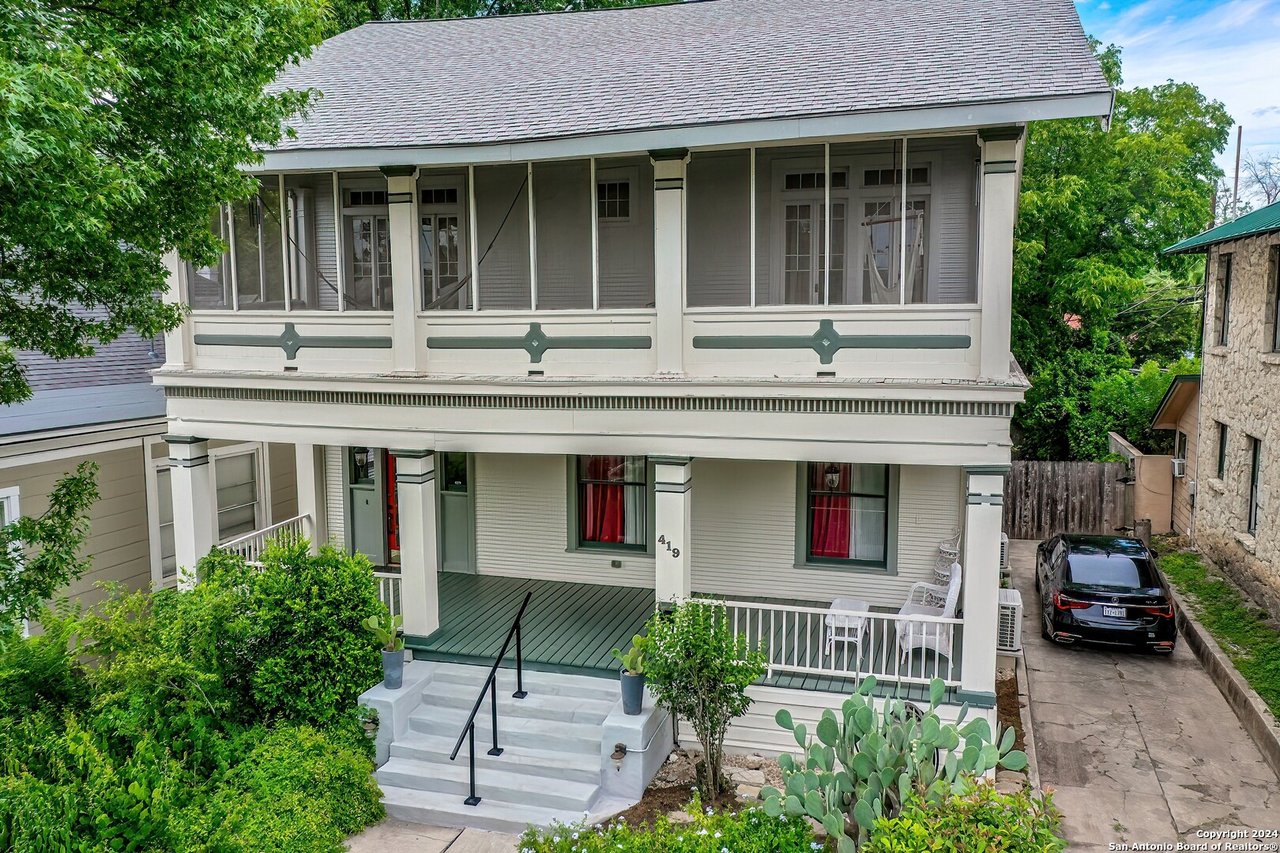
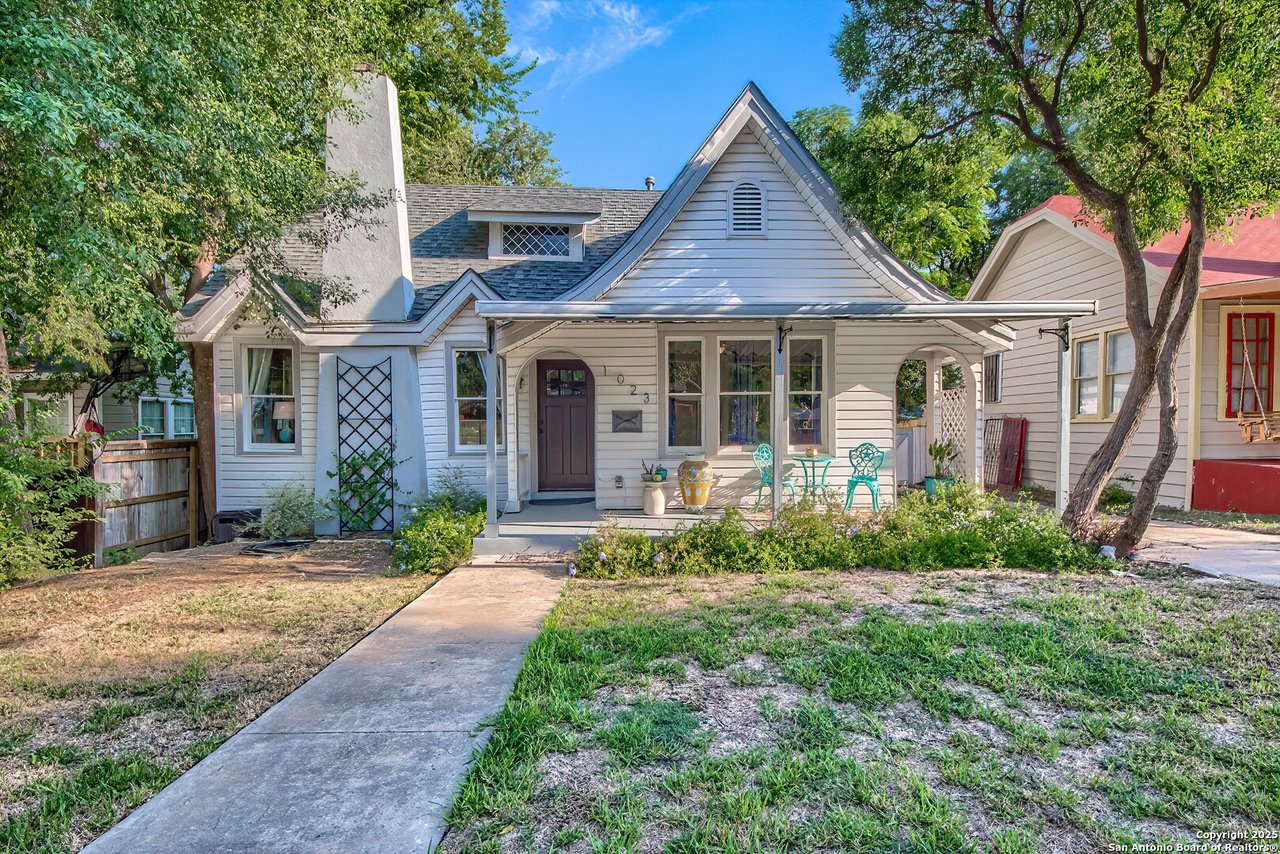
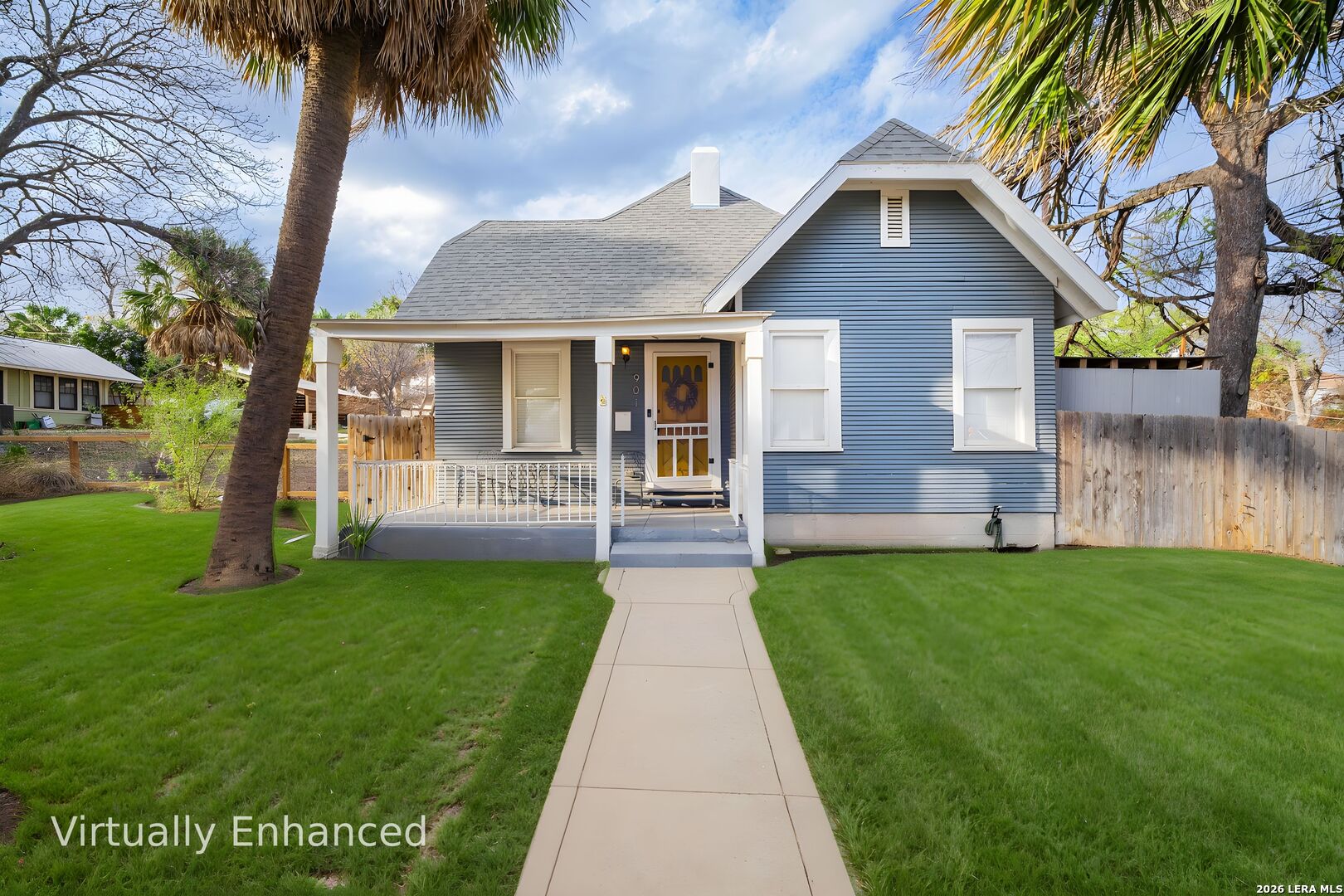
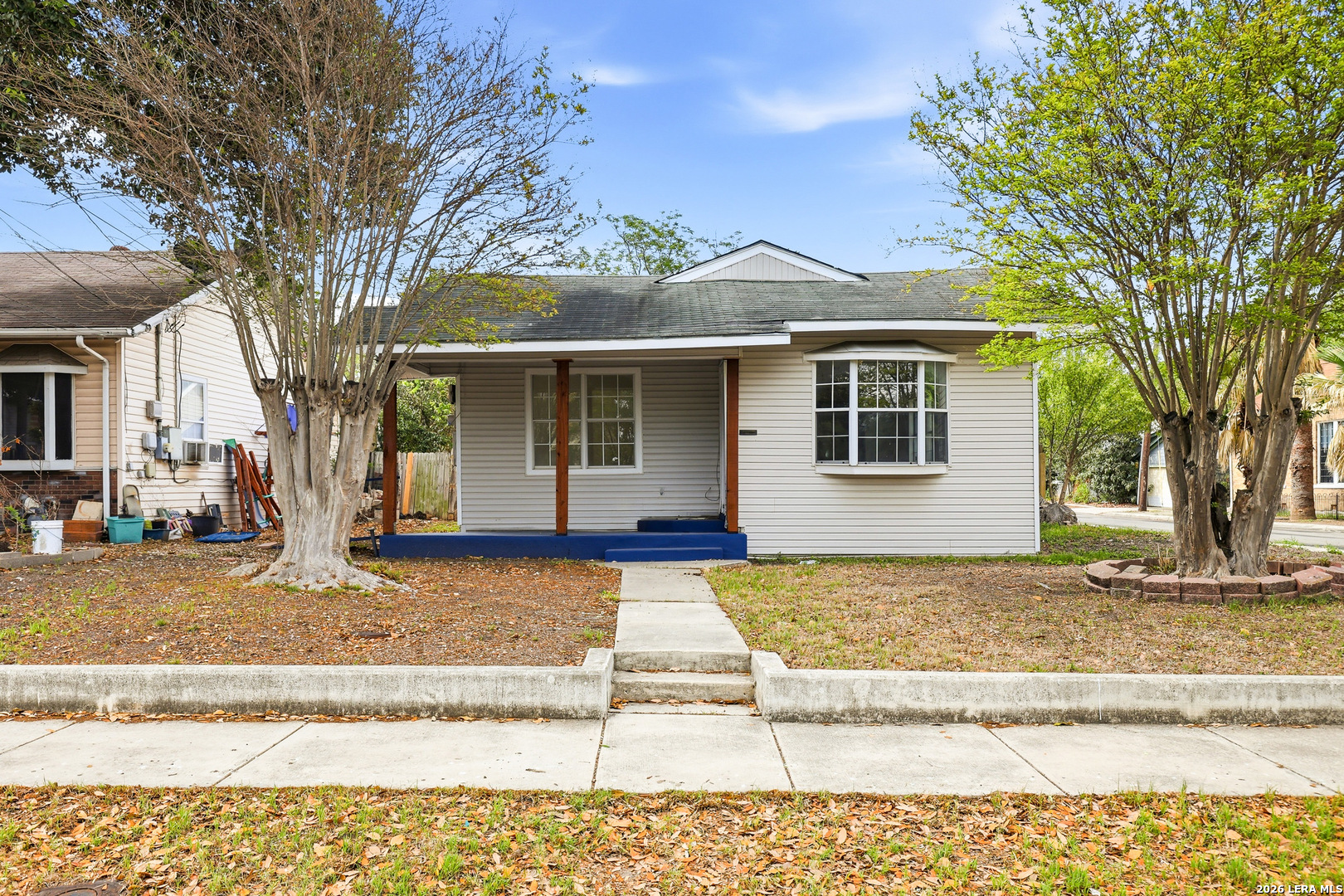
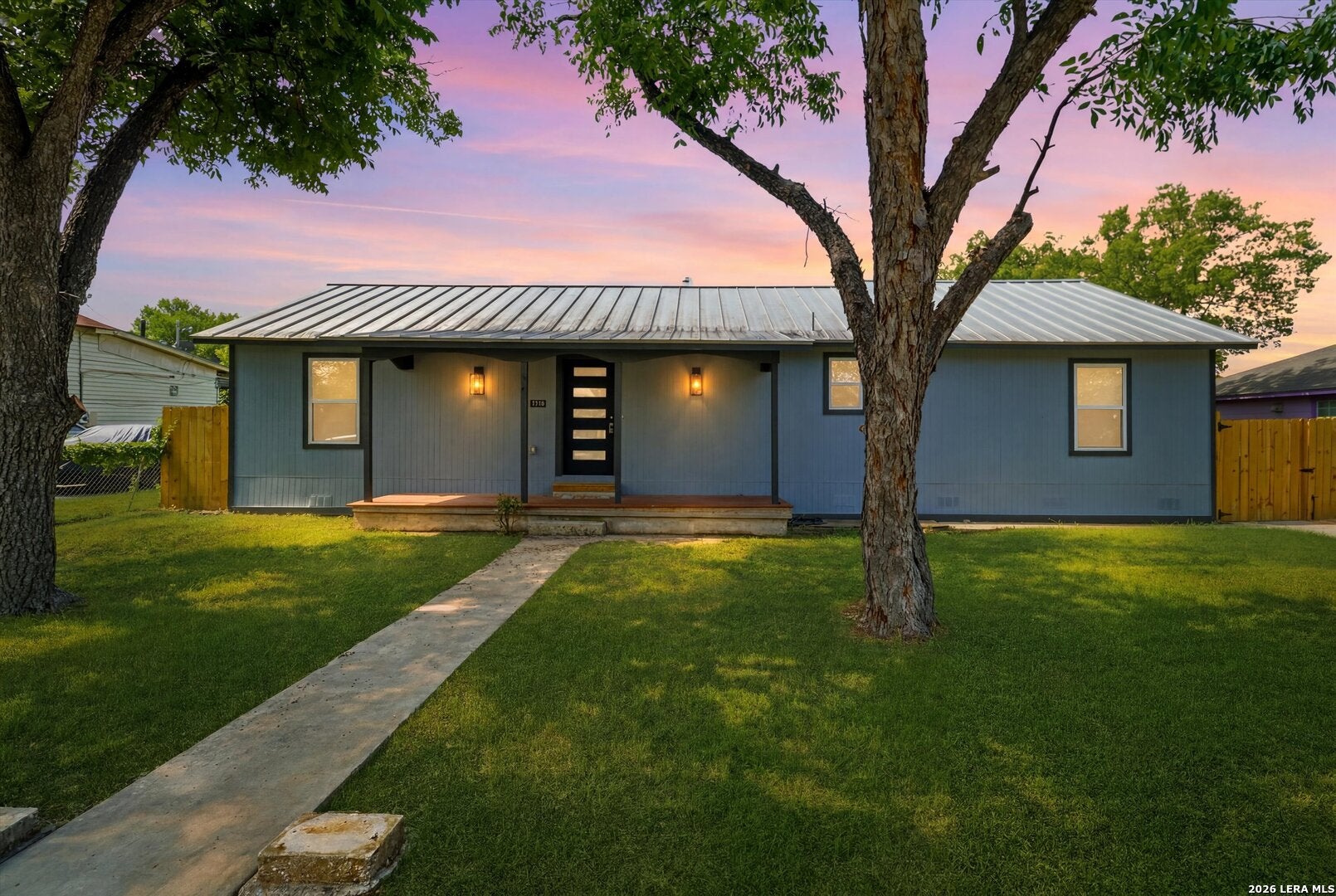
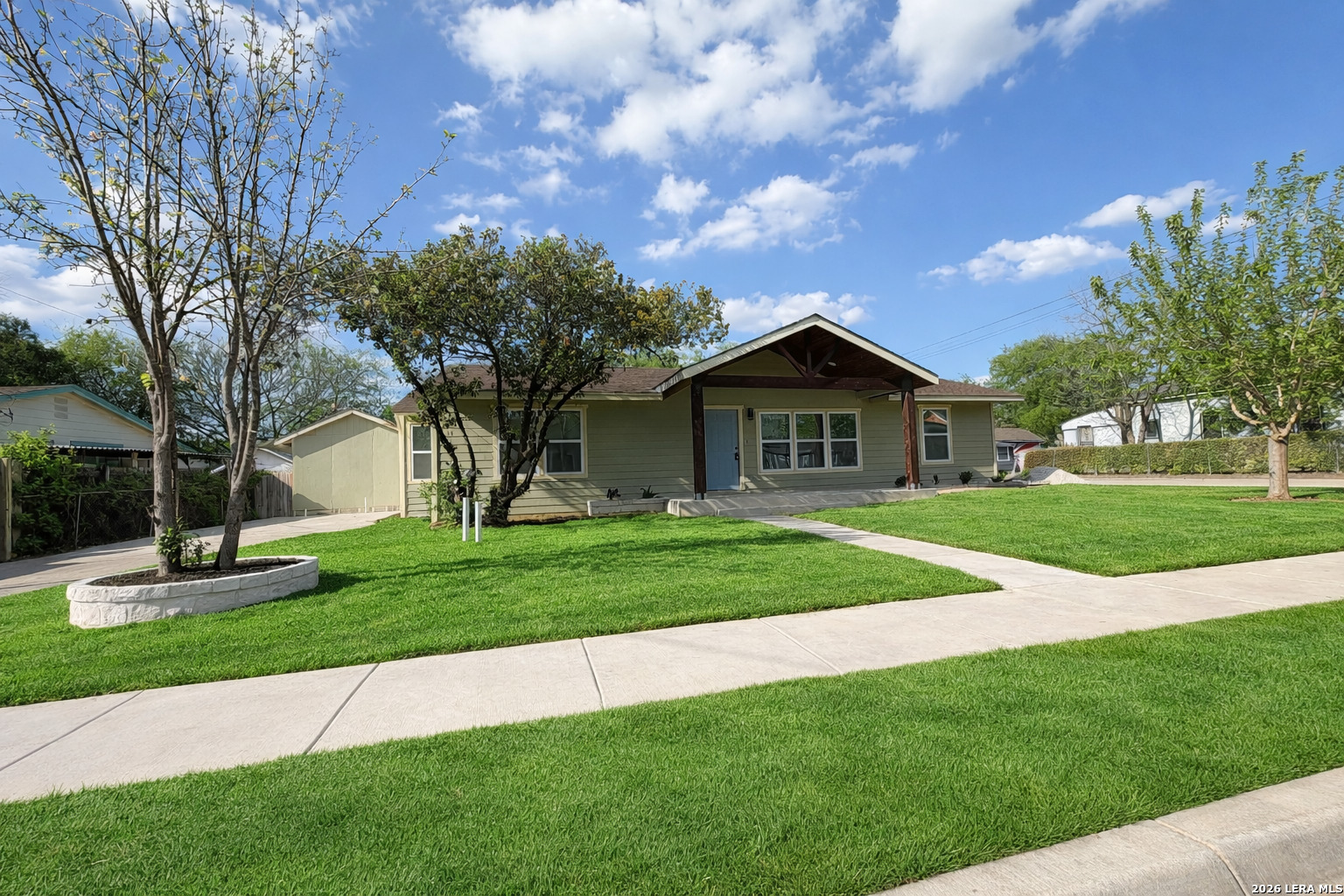
Rich Historic Architecture + Diverse Housing Styles: The neighborhood is known for its early‑20th‑century homes — especially Craftsman bungalows — but also includes American Foursquare, Italianate, Spanish‑Eclectic, Folk Victorian, Prairie, and Neo‑Classical homes. There are even a few contemporary homes where older ones have been replaced or extensively remodeled. (More on architecture below!)
-
Community & Green‑Space Focused: Residents value community. The BHANA is fully volunteer-run and organizes regular newsletters, meetings and events for both homeowners and renters.
A standout is the Beacon Hill Linear Park — a roughly 4‑acre green space that includes a playground, basketball court, and a community garden. It was created in recent decades to give residents easy access to outdoor recreation and community gathering space, something that had been missing given the neighborhood’s residential density.
-
Walkability & Local Flavor: Beacon Hill offers a walkable, neighborhood‑centric lifestyle. Residents have access to a collection of local restaurants, coffee shops, and antique or vintage décor stores. Some of the local favorites: Blanco Café, Bright Coffee, Julia's Bistro, and eateries like Garcia's Taco Bar. For those interested in interior design or period‑authentic décor, shops like Antiques on Hildebrand and Karolina's Antiques offer vintage finds that match the neighborhood’s historic vibe.
-
Proximity & Convenience: Beacon Hill sits just a few miles north of downtown San Antonio — giving residents relatively easy access to city‑wide amenities while still preserving a neighborhood feel.
-
Affordable Historic Charm (with Trade-offs): Home values tend to be somewhat lower than many newer suburbs or high‑end neighborhoods — reflecting the age of many homes and the older‑suburb nature. Recent sales tend to cluster between the lower $200,000s and about $450,000, though there is variation depending on condition, size, and renovation status.
-
Evolving Urban Character — Then & Now: In recent years, parts of Beacon Hill — especially around the intersection of Blanco Road and Fulton Street (the “roundabout”) — have been evolving into what some call a “micro‑district” blending old‑school neighborhood roots with new energy: walkable businesses, local shops and a more dynamic, urban vibe.
What Kind of Person or Family Might Love Living in Beacon Hill
Beacon Hill tends to attract people who value:
-
Historic homes with character rather than cookie‑cutter suburban builds
-
A strong sense of community — whether homeowners or renters — including neighbors who care about their surroundings and are involved in local association efforts
-
Walkability, local flavor (cafés, antique shops, small restaurants), and convenience to downtown without living in a dense urban core
-
A balance between affordability and charm — especially for those willing to invest time or money into older homes to preserve or renovate them
Delve Deeper: Architectural significance of Beacon Hill
Beacon Hill reads like a concise handbook of early-20th-century domestic architecture in San Antonio — a neighborhood where national house-types were adapted to local climate, materials, and cultural memory. Its streets are lined with tightly knit examples of Craftsman and bungalow forms, American Foursquare solidity, Mission/Spanish Colonial Revival romance, and smaller Italianate and cottage idioms. Together these types create a coherent, human-scaled streetscape whose architectural value lies as much in pattern and rhythm as in any single façade.
Dominant house types & what to look for
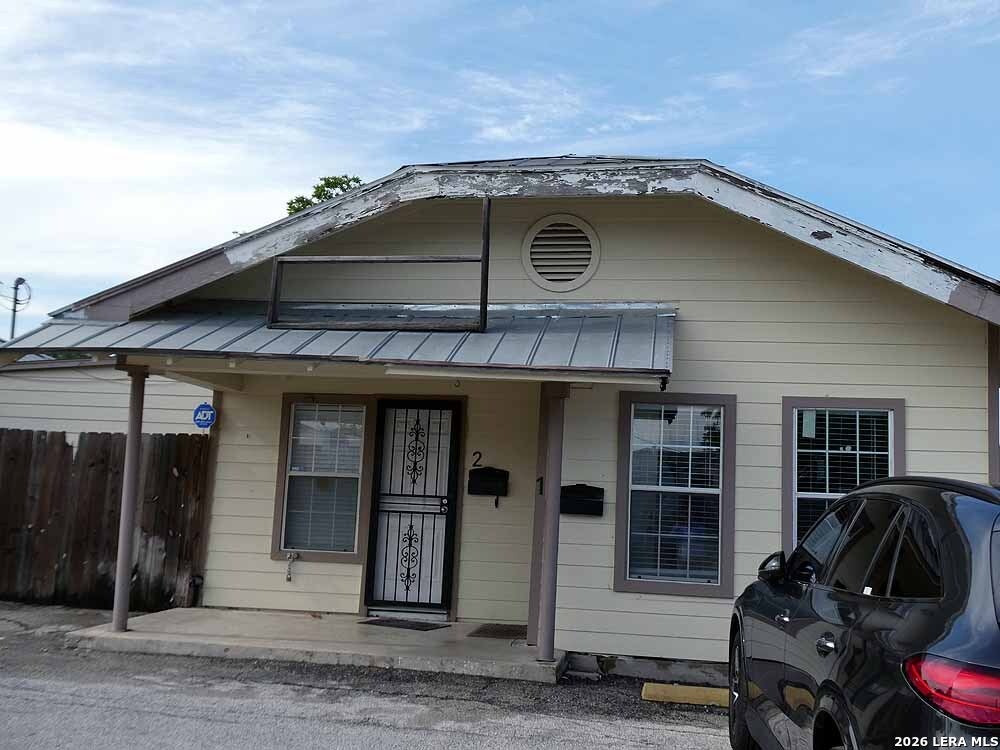
- Bungalows / Craftsman — The most abundant typology in Beacon Hill. Look for low-pitched gabled roofs, broad eaves with exposed rafter tails, tapered porch columns set on masonry piers, and an emphasis on handcrafted wood and stone details. These houses were practical, economical, and perfectly suited to modest lots — and Beacon Hill has one of the city’s highest concentrations of them.
- American Foursquare — Boxy two-story masses with generous front porches and hipped roofs. In Beacon Hill these provide vertical punctuation along blocks, offering a contrast to the one-story bungalow rhythm and often preserving period woodwork, tall windows, and original verandas.
- Spanish Colonial / Mission Revival — A regional favorite in the early 1900s, these dwellings use stucco walls, clay-tile roofs or parapets, arched entryways, and courtyards or deep porches to respond to heat and sun. Notably, one Beacon Hill residence has been identified as among San Antonio’s earliest Spanish Colonial Revival houses — an example of how national revival styles were interpreted locally.
- Italianate and Mission cottages — Smaller, sometimes stone-clad houses with decorative brackets, narrow tall windows, or arched stone entries, adding texture and variety to the neighborhood palette. The result is an eclectic but harmonious tapestry of late-Victorian and early-Edwardian sensibilities.
- English Cottage
Materials, climate adaptation, and vernacular choices
Beacon Hill’s houses show practical responses to South-Texas climate and local craft. Deep porches, cross-ventilation via grouped windows, shady porticoes, and courtyards meant homes remained comfortable before mechanical cooling was widespread. Masonry and stucco were common for thermal mass; wood framing and decorative millwork signaled craftsmanship. Many homes were built from pattern-book or kit-house plans, which helped spread stylistic elements while allowing local masons and carpenters to add regional touches.
Urban grain and the architectural effect
Architecturally, Beacon Hill’s significance is not only individual houses but the ensemble: small lots, consistent setbacks, pedestrian-scaled porches, and a repeating roofline vocabulary create a legible neighborhood identity. That grain was intentionally protected through the city’s Neighborhood Conservation District (NCD) zoning — a recognition that the pattern and details of buildings are civic assets worth preserving. The NCD guidelines emphasize preserving these historical arrangements rather than enforcing a single style, allowing the neighborhood’s architectural richness to endure.
Notable examples and craftsmanship
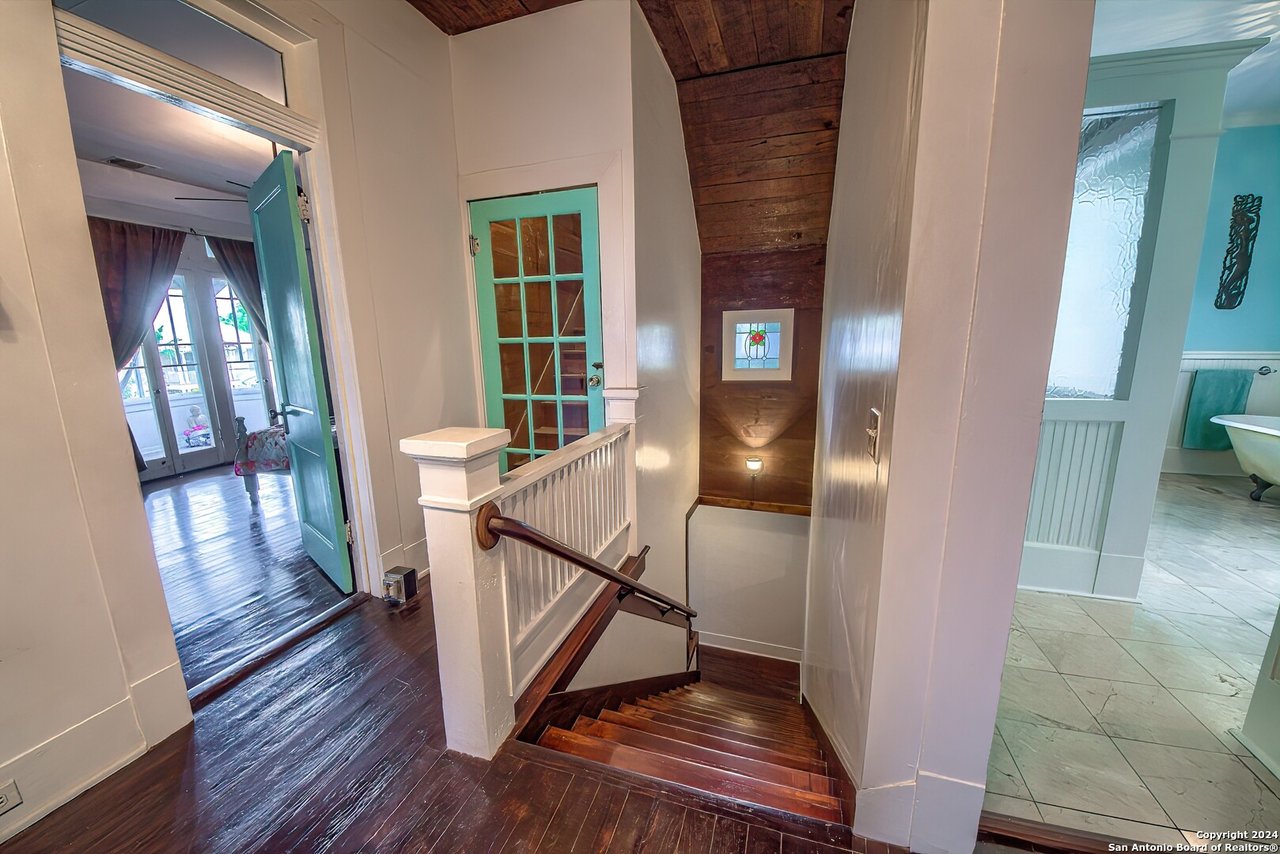
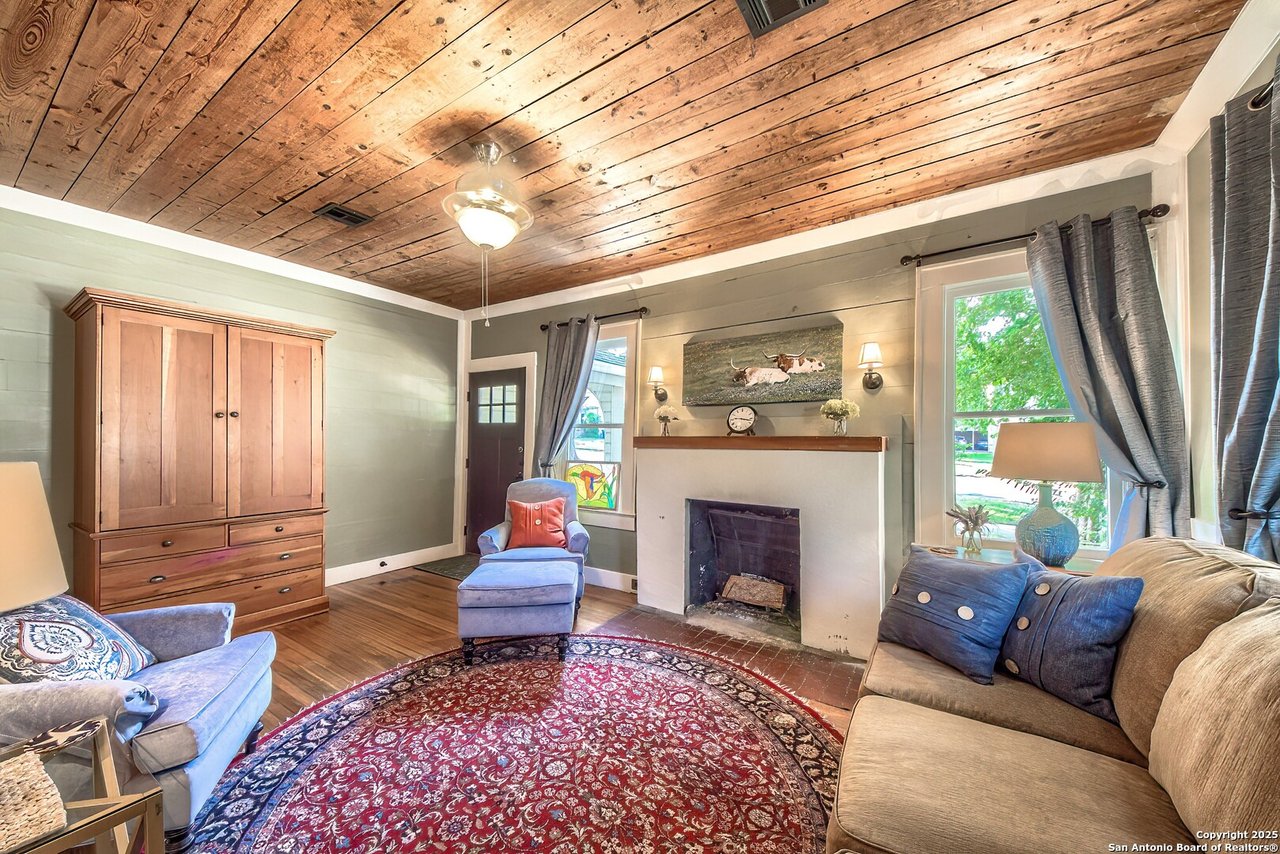
Local reporting and the San Antonio house registry document several especially well-preserved examples: early Spanish Colonial Revival residences with architect attribution, mail-order or kit houses from the 1910s that survive with original porches and woodwork, and meticulously restored 1910s-1920s Craftsman homes that retain period built-ins and detailing. These examples serve as instructive models for restoration: attention to porch proportions, original window patterns, roof pitch, and material expression preserves the character that makes the neighborhood architecturally significant.
Why the architecture matters
Beacon Hill is a living textbook of how national architectural movements (Arts & Crafts, Revival styles, vernacular cottage forms) were translated for San Antonio’s climate and social aspirations. Its value to architecture and urban history is twofold: first, as authentic examples of early-20th-century domestic design adapted regionally; and second, as a cohesive streetscape where lot size, porch culture, and material choices together form a historic urban fabric worth conserving. The neighborhood’s conservation district status reflects that layered importance — architectural, social, and environmental.